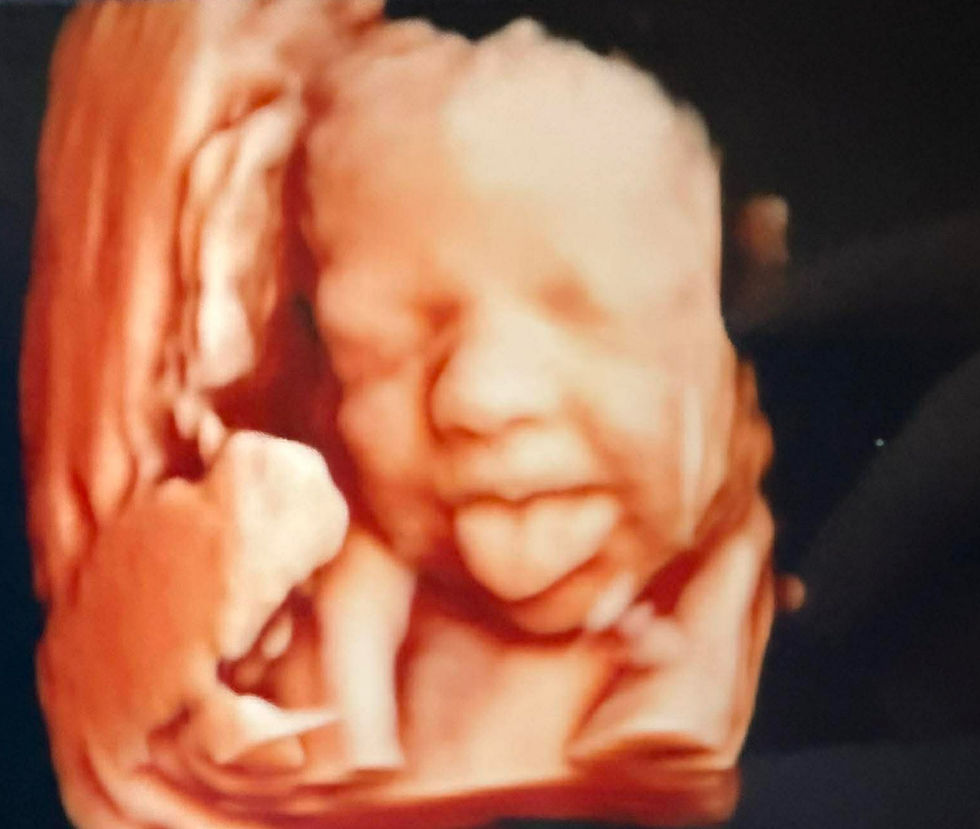
Do Babies Really Look Like Their 3D Ultrasounds? Here’s What Parents Are Often Surprised by
There's a moment during almost every baby ultrasound 3D ultrasound appointment when the room goes quiet.
A parent leans forward, squints at the screen, and says something like...
"She has my husband's nose."
Or maybe it's Grandma laughing because she swears she already sees the family chin and starts guessing the gender. Sometimes it's an older sibling proudly announcing that the baby looks "just like me."
It's a funny thing, really. Just a few moments earlier, those same parents walked into the room wondering if a 3D ultrasound would actually show what their baby looked like - or if it was simply a blurry orange image that required a lot of imagination.
The short answer is yes. Modern 3D and 4D ultrasound technology can create incredibly realistic images of your baby's facial features. While your ultrasound won't be an exact newborn photograph, many parents are amazed by how recognizable their little one is when they're finally born.
Let's talk about why.

Why 3D Ultrasounds Look So Much More Realistic Than You Might Expect
If you've only ever seen a traditional pregnancy ultrasound, you've probably seen the classic black-and-white profile image.
Medical 2D ultrasounds are incredibly important because they help healthcare providers monitor your baby's growth and development.
A 3D ultrasound works differently.
Instead of showing one flat image, advanced ultrasound technology combines thousands of tiny sound-wave measurements to build a three-dimensional picture of your baby's features.
That's why you'll often be able to see things like:
The shape of their nose
Tiny lips
Full cheeks
Their chin
Little fingers resting against their face
Expressions like yawning, smiling, or sucking their thumb
With a 4D ultrasound, those images come to life. You'll actually watch your baby move in real time; stretching, blinking, opening their mouth, or giving an unexpected wave.
For many parents, it's the first time pregnancy suddenly feels very real. It's no longer just hearing a heartbeat.
So… Will My Baby Actually Look Like Their Ultrasound?
In most cases? Yes.
In fact, one of the most common things parents sometimes say after their baby is born is:
"I can't believe the ultrasound looked exactly like them."
Of course, "exactly" is a bit of a stretch. Babies continue growing until the day they're born, and there are plenty of little changes that happen during those final weeks of pregnancy.
But the things that make your baby's face uniquely theirs are usually already there.
Their little button nose.
Their cupid's bow.
The curve of their chin.
Round cheeks.
Even those unmistakable family features everyone immediately starts pointing out after delivery.
If you've ever seen parents comparing a newborn photo to their 3D ultrasound, those similarities aren't just wishful thinking. Modern imaging really can be that impressive
.
Why Your Baby Won't Look Exactly the Same
As incredible as today's technology is, it's important to remember that your baby is still growing. Think of your ultrasound as getting a sneak peek rather than a finished portrait.
Over the last few weeks of pregnancy, babies gain a surprising amount of weight. Their cheeks become fuller, their little arms get chubbier, and those newborn rolls everyone loves begin to appear.
Then there's birth itself.
A baby who's just arrived in the world might have puffy eyes after delivery, slightly swollen features, or even a temporarily cone-shaped head after a vaginal birth. Within a few days, those changes settle down, and that's often when parents really start noticing how closely their newborn resembles their ultrasound images.
Some things simply can't be seen on an ultrasound, either.
Eye color remains a mystery until birth. Hair can sometimes be visible, but not always. And no ultrasound can tell you whether your baby is about to inherit your stubborn cowlick.
What Makes One 3D Ultrasound Crystal Clear... and Another a Little Blurry?
This is probably one of the biggest misconceptions people have. They assume every ultrasound should look identical.
The reality is that every pregnancy, and every baby, is different, and baby’s position makes the biggest difference.
If your little one decides to spend the entire appointment with both hands covering their face...Well, there's not much anyone can do about that. Some spend the whole session peacefully sleeping. Others are constantly rolling, stretching, and kicking. Some tuck their face into the placenta. Others decide today's the day they simply don't want their picture taken.
It's all completely normal.
One of the joys (and occasional frustrations!) of pregnancy is discovering that your baby's personality starts showing long before they're born.
When Should I Go? and How Can I Have the Best Results?
One of the questions we hear most often is:
"When should I schedule my 3D ultrasound?"
While beautiful images are possible throughout pregnancy, there's a reason many families choose to visit between 26 and 36 weeks.
By this stage:
Your baby's facial features have developed beautifully.
They've started putting on that adorable baby fat.
There's usually still enough room for movement.
Facial images tend to be clearer than earlier or later in pregnancy.
Come much earlier, and babies can look a little lean.
Wait too long, and they often become so snug that getting a full view of their face becomes more difficult.
Hydration Really Does Help
Here's one tip many parents don't know.
If you're planning a 3D ultrasound, don't wait until the morning of your appointment to start drinking water.
Staying well hydrated in the days leading up to your scan can help support healthy amniotic fluid levels, which often contributes to clearer images.
It's a small thing, but it can make a noticeable difference.
Your Placenta Can Play a Role
If you've been told you have an anterior placenta, don't panic. This simply means your placenta sits toward the front of your uterus.
Sometimes that extra layer can soften facial images slightly, but it certainly doesn't prevent you from enjoying a beautiful ultrasound experience.
Many parents with an anterior placenta still leave with stunning keepsake photos.
The Best Ultrasound Photos Aren't Always the "Perfect" Ones
Medical ultrasounds are focused on making sure your baby is healthy and growing as expected.
An elective ultrasound offers something different.
It gives you permission to simply enjoy this stage of pregnancy. To slow down and watch your baby move while your family gasps when they catch that first glimpse of tiny cheeks or little fingers.
Welcoming Families Across Northeast Georgia
At Baby Smiles, we've had the privilege of sharing these moments with families from Demorest, Dawsonville, Cornelia, Clarkesville, Cleveland, Gainesville, Commerce, Toccoa, and communities throughout Northeast Georgia.
This August, we're welcoming growing families to our brand-new Dawsonville location, making it even easier for parents across North Georgia to enjoy a memorable ultrasound experience close to home.
Whether you're planning an elaborate gender reveal or simply want to share a quiet moment with your partner, we're honored to be part of such an exciting chapter in your family's story.